Annie Henk & the Power of Being Bilingual at SXSW Film in «Their Town»
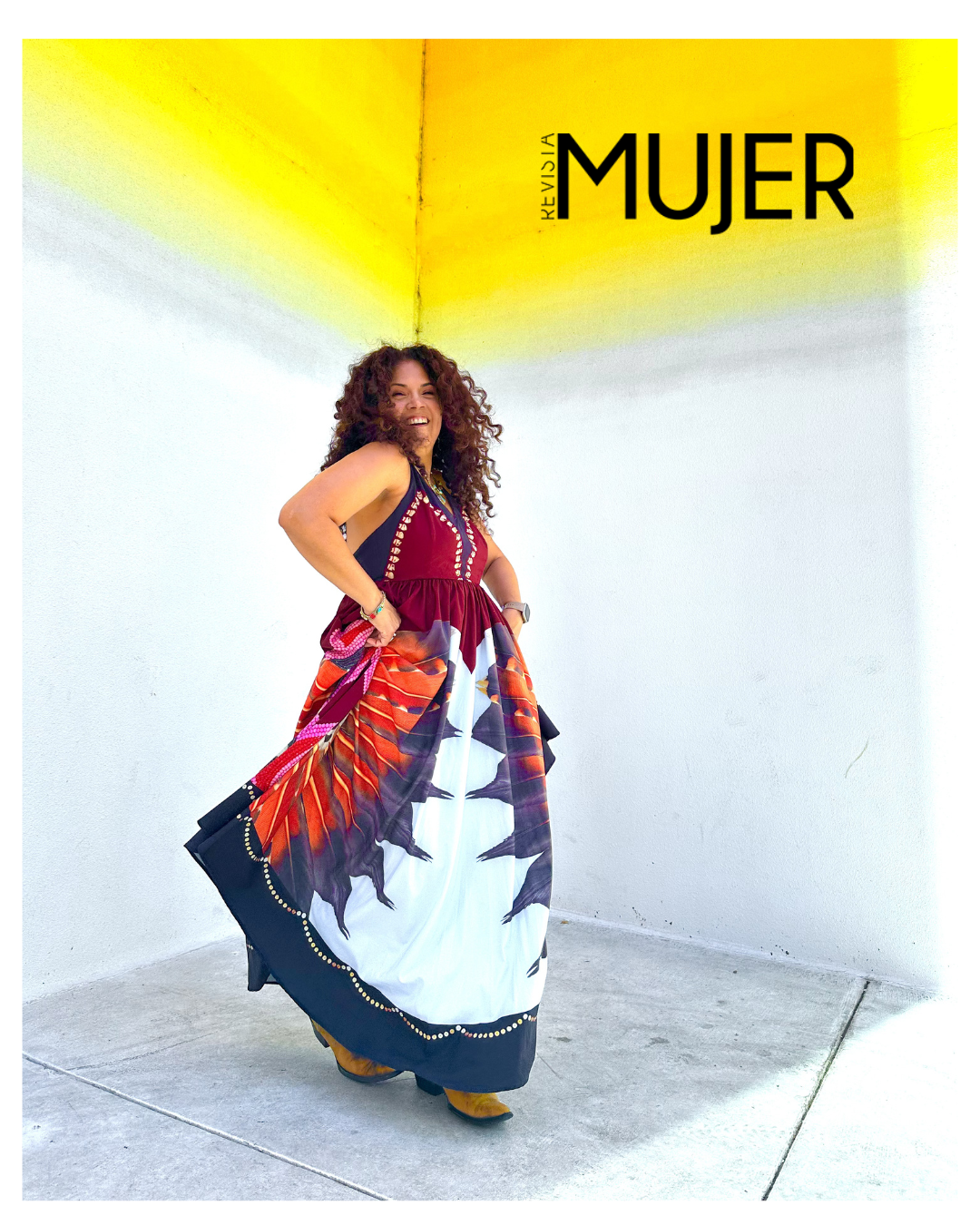
Annie Henk’s captivating presence was noticed amidst the vibrant atmosphere of the 2026 SXSW Film Festival in Austin. In a place where stories find their voice and emerging talent blends with established figures, we had the opportunity to speak with actress Annie Henk, an Ecuadorian/NY after the presentation of The Official Selection film “Their Town”, directed by Katie Aselton. Talking to Annie Henk you can feel how strongly Latin American actors contribute to the film industry.
Ecuadorian roots, New York identity, bilingual talent, and a voice for authentic representation
In 2025, Annie Henk joined the cast of Netflix’s Unaccustomed Earth and appeared in the feature film Club Kid. She also had a supporting lead role in Ponyboi, an official selection of the 2024 Sundance Film Festival Dramatic Competition, now available on Amazon Prime and Apple TV.
Her work extends beyond the screen. As a bilingual English-Spanish voiceover artist, Annie Henk can be heard as Mami in Sonia Manzano’s award-winning PBS KIDS series Alma’s Way. Her voice work also includes audiobooks such as Sunstroke and How the García Girls Lost Their Accents.
But it was at SXSW 2026 that La Revista Mujer of Austin had the opportunity to sit down with Annie Henk and discover the woman behind the roles: an actress deeply connected to her Ecuadorian heritage, a bilingual artist who has learned to embrace her identity as a strength, and a creative who believes strongly in the power of representation.
Their Town: A Story of Friendship, Love and Discovery
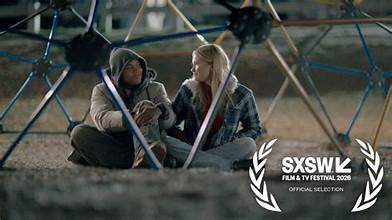
Annie Henk was in Austin for the SXSW 2026 premiere of Their Town, directed by Katie Aselton. The film premiered at the festival on March 14, 2026, at the Alamo Theatre.
In the film, Annie Henk plays Gloria, a calm and thoughtful owner of a local taco cart. Gloria speaks Spanish with Abby, played by Ora Duplass, as the two women talk about friendship, love, life, and the unexpected turns that bring people together.
For Annie Henk, the experience was particularly meaningful because of the creative freedom she was given.
«What makes it special is that the writer Mark Duplass speaks Spanish and did not want to make a cliché.»
«I love this film because of all the freedom I had to express myself, and they trusted me one hundred percent.»
The film was shot in just 12 days—a demanding schedule that required the cast and crew to work closely together, The result: a film that allows its characters to exist as people rather than stereotypes.
Growing Up Ecuadorian in New York
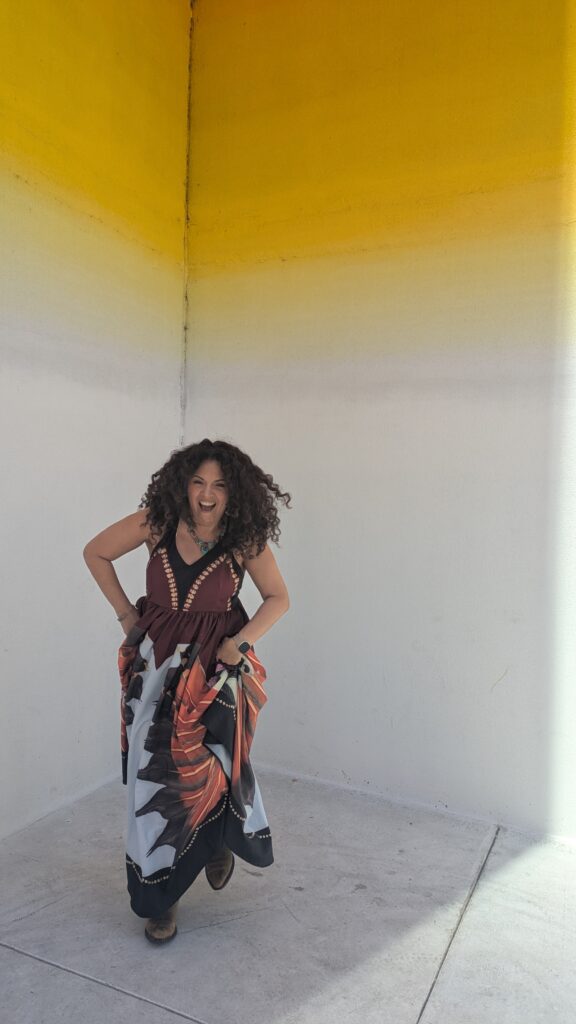
Being the daughter of Ecuadorian immigrants has always been an important part of Annie Henk’s identity, although her relationship with Spanish evolved throughout her life.
At home, English and Spanish existed side by side, but Annie Henk remembers that her relationship with the language was complicated.
Her mother would read English-language publications such as Psychology Today and Ms. Magazine, while her father would come home with Diario La Prensa.
«Tell me what they say there in Spanish,» her father would ask her.
He made an effort to speak Spanish with her, and although Annie Henk understood the language well, expressing herself in Spanish was more difficult.
When she moved to Miami, Henk found herself surrounded by a strong Spanish-speaking community and realized she needed to reconnect with the language she had grown up hearing.
She remembers being asked:
«Oye chica, ¿pero por qué no hablas español?»
Her bilingual identity eventually became not only part of who she was, but an important part of her career.
The Power of Being Bilingual
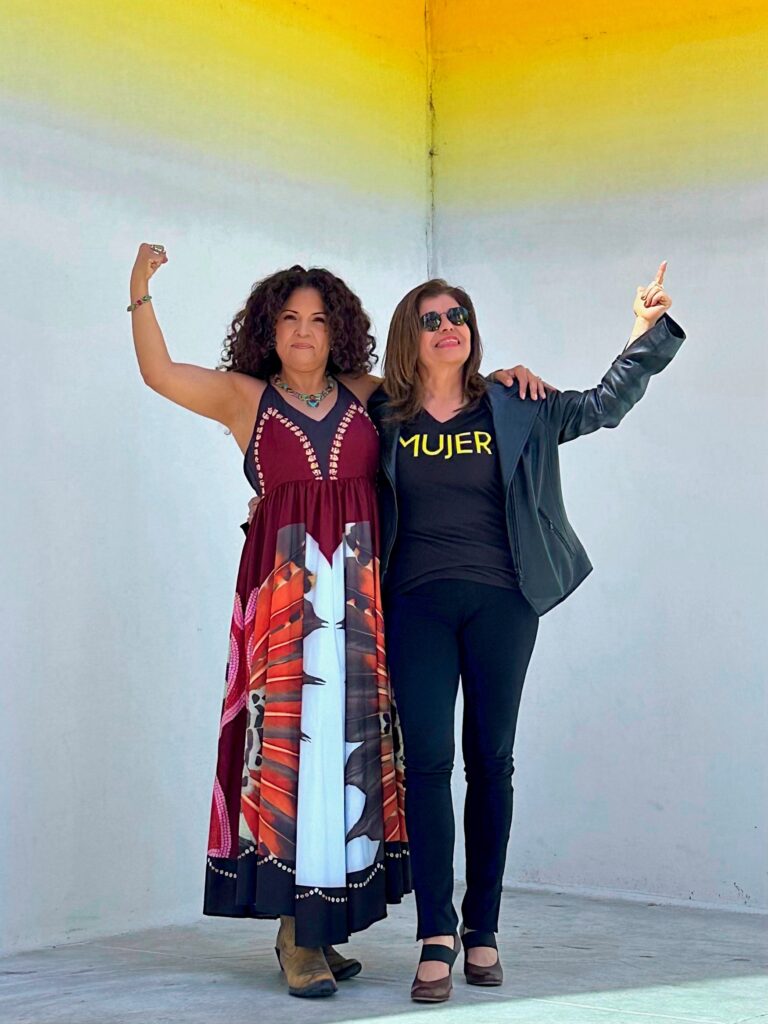
Annie Henk’s bilingualism has also influenced the kinds of opportunities she receives.
She works extensively in the Hispanic market, where the demands of Spanish-language voiceover are very different from English.
For Henk, the rhythm, pronunciation, and speed require a completely different preparation.
«The placement is very different and it’s very fast.»
Annie Henk describes herself as a character actor, and that distinction says a great deal about her approach to her craft.
«For me, acting is always a master class for each project because I have to go back, research and develop my character.»
Rather than seeing her Ecuadorian heritage as something she needed to minimize, she has learned to embrace it.
She points to Colombian-American voice actress Carolina Ravassa, known for her work as Sombra in the video game Overwatch, as an example of an artist who has built an entire career around her voice and cultural identity.
For Henk, the future of representation also includes recognizing that actors can be more than one thing.
The industry, she believes, needs creatives who are willing to become multi-hyphenates—actors, writers, directors, producers, and creators who participate in telling their own stories.
Creating Stories That Matter
When asked what kinds of stories she hopes to tell in the coming years, Annie Henk’s answer is deeply personal.
She wants to tell stories that matter to women and families.
It is a simple answer, but one that speaks directly to the larger conversation surrounding representation: Who gets to tell the stories? Who gets to create them? And who gets to decide how women and families are portrayed?
For Henk, the answer involves taking ownership of the creative process.
Annie Henk’s Advice: Learning the Power of «No
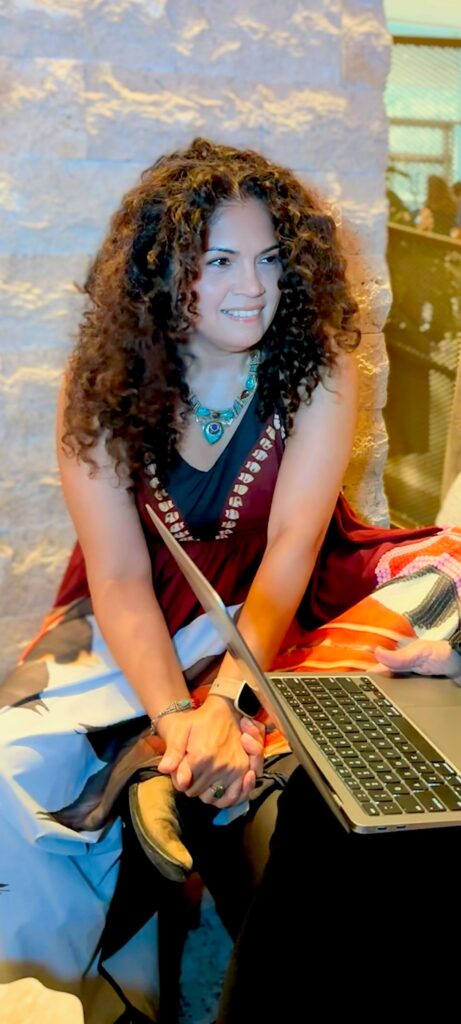
Perhaps one of the strongest moments of our conversation came when Annie Henk spoke about the advice she would give to first-generation creatives entering film or theatre.
Her message is direct:
«Understand that you have power. And learn the power of NO.»
She acknowledges that saying no can be difficult, particularly when you are trying to establish yourself in a competitive industry.
But she believes that creatives must learn to push back when they are offered roles or opportunities that do not reflect who they are or how they want to be represented.
Her advice goes beyond simply rejecting something.
It is about creating.
It is about becoming a multi-hyphenate.
It is about developing creative autonomy and refusing to wait for permission from an industry where the people in leadership positions may not always reflect the communities whose stories they are telling.
For Annie Henk, representation is not only about being invited into the room.
It is about having a voice once you are there—and eventually creating your own room.
And Finally… Ecuadorian Ceviche
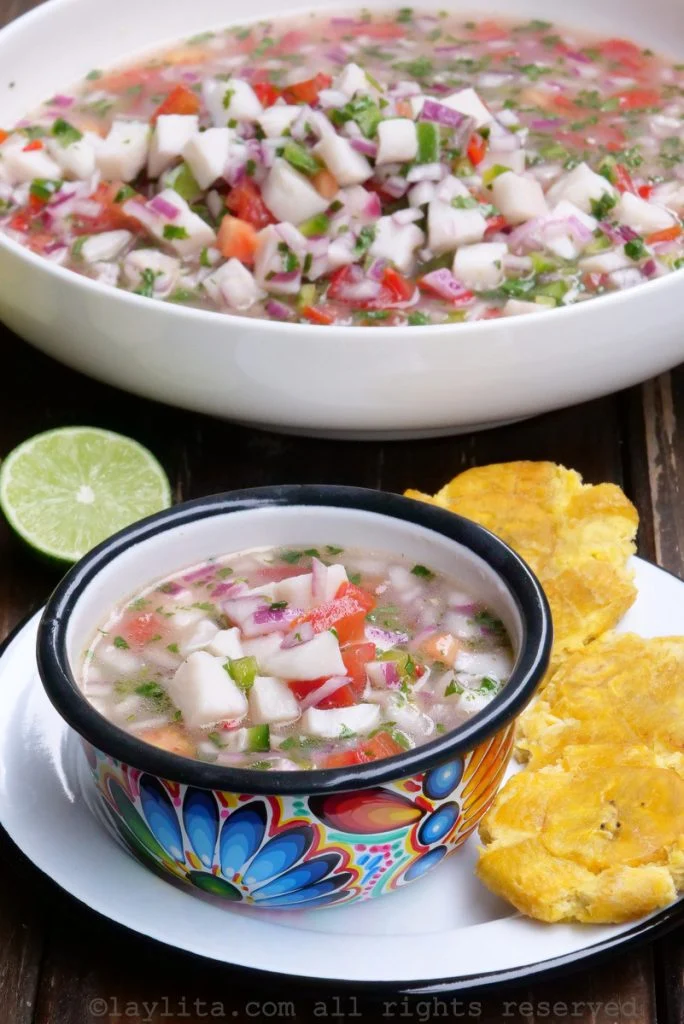
Of course, no conversation with an Ecuadorian actress could end without asking about food.
So, what is the Ecuadorian dish that reminds Annie Henk of home?
Her answer comes quickly.
«That is easy—killer Ecuadorian ceviche!»
And then comes the confession that makes the answer even more charming:
«My mother is a terrible cook, but she could make incredible ceviche!»
It is a small memory, but perhaps one of the most revealing moments of our conversation. Because sometimes our strongest connections to home are not complicated. They are a flavor, a language, a newspaper, a family story—or a plate of ceviche prepared by someone we love.
Annie Henk: A Voice Worth Listening To
After speaking with Annie Henk, what remains is not simply the impression of an actress with a growing list of credits.
It is the impression of a woman who has learned to embrace every part of herself—Ecuadorian, New Yorker, bilingual artist, character actress, and creative.
Her journey reflects something increasingly important in the American film industry: Latin American actors are not simply adding diversity to the screen. They are bringing their own experiences, languages, cultures, and perspectives into the stories being told.
At SXSW, surrounded by filmmakers and artists from across the world, Annie Henk reminded us that representation begins with authenticity.
And sometimes, the most powerful thing an artist can say is simply:
«This is who I am. This is the story I want to tell. And I have the power to tell it.«
Bravo, Annie.
==========================================================================================

By Lilia Rodriguez-Davis
Editor in Chief of La Revista Mujer of Austin, Texas
Photos By: Eva Nichols Photography