Lorena Vieyra’s OMET Gallery in Austin: Design Without Borders
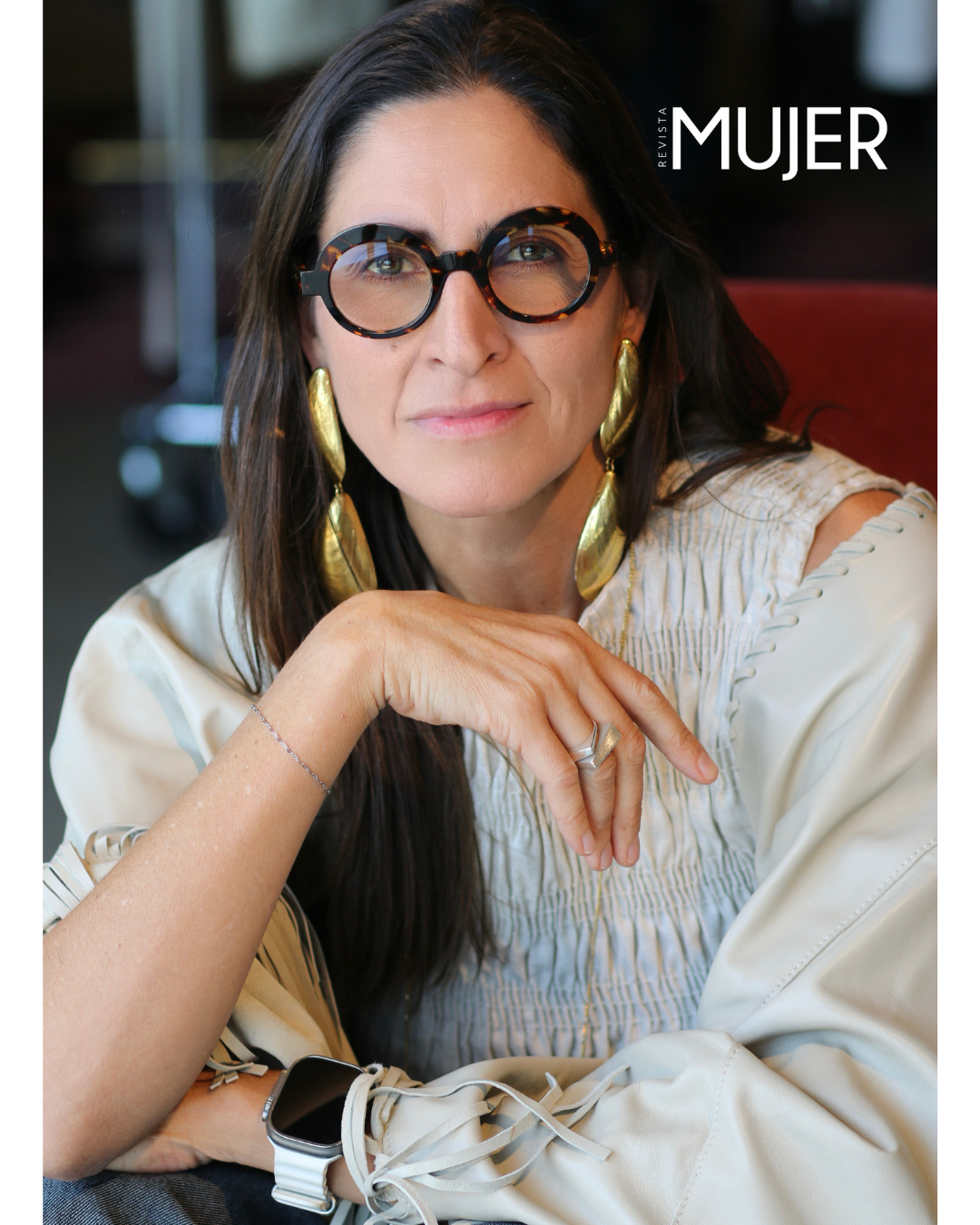
Lorena Vieyra, founder and creative director of OMET, the Austin-based gallery is redefining how Latin American design is experienced in the United States.
Design has the power to transcend geography, weaving together culture, craftsmanship, and contemporary vision. Few embody this philosophy more elegantly than Mexican architect and curator Lorena Vieyra.
With over two decades of experience in architecture and design, Lorena Vieyra has created a space where contemporary Latin American creativity can be seen, touched, and appreciated, inviting Austin’s growing design community to discover the beauty, innovation, and authenticity that define the region’s artistic landscape
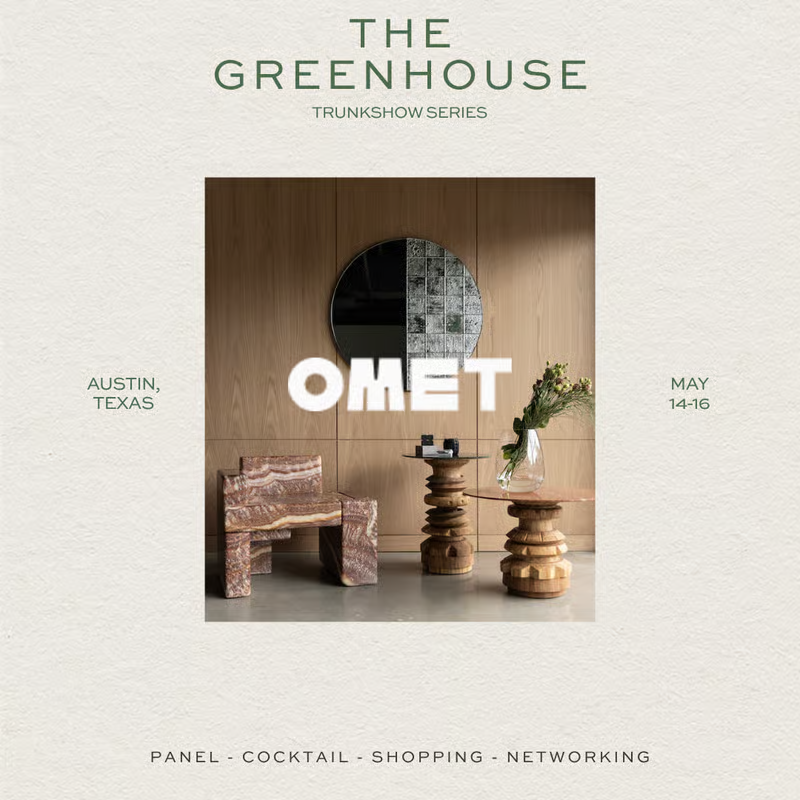
Located in the heart of East Austin, OMET serves as a vibrant bridge between Mexico, Latin America, and the global design community.
Through a carefully curated collection of collectible furniture, art, and handcrafted objects, Lorena Vieyra celebrates the rich traditions of artisan craftsmanship while championing a new generation of visionary designers.
INTERVIEW WITH LORENA VIEYRA IN AUSTIN
I had the pleasure of meeting award-winning Mexican architect and designer Lorena Vieyra during the Greenhouse Trunk Show series at OMET in Austin, Texas.
Our conversation offered a fascinating glimpse into her creative vision, design philosophy, and commitment to showcasing contemporary Latin American talent.
I am delighted to share the insights of our enlightening conversation below.
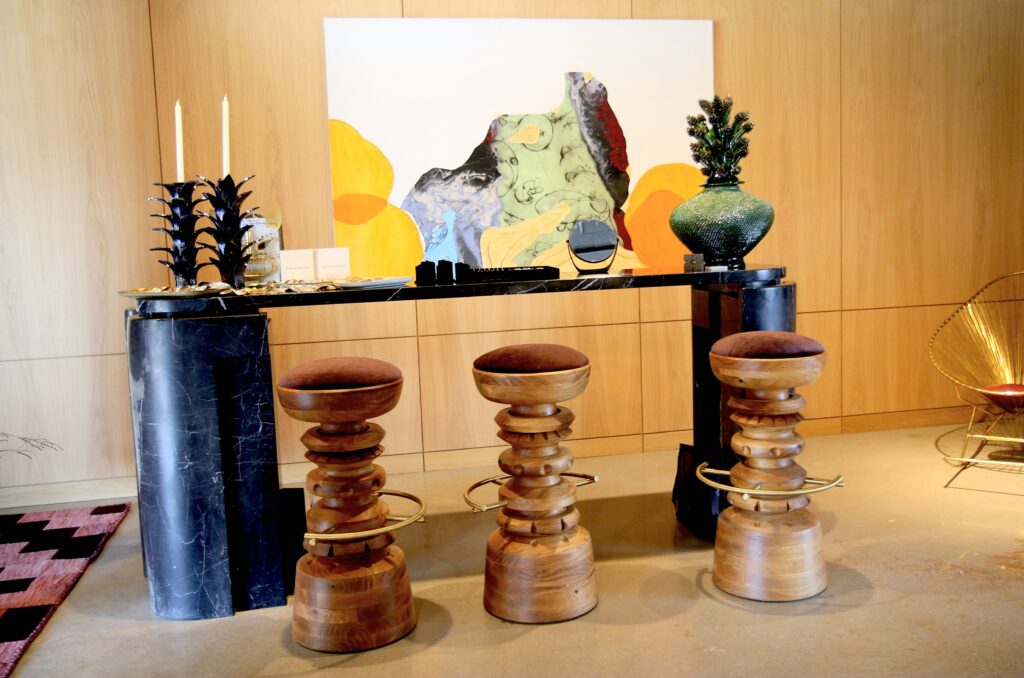
Lorena, the pieces on display at OMET were captivating, can you take us back to the beginning and share what first inspired you to pursue a career in architecture and design?
I have been drawn to art and drawing since I was very young, even though I did not come from a family of architects or designers. However, my father, who was an engineer, was the first to recognize my interest and talent in these areas. He encouraged me to consider architecture as a path that would combine creativity with strong professional possibilities, and that guidance ultimately led me in that direction.
In high school, I had an art teacher who was also an architect, and through that class I was first introduced to the world of architecture in a more structured way. That experience became an important early source of inspiration for me.
Still, when I began my architecture studies, I didn’t fully understand what to expect. Over time, I grew to love it, and I naturally became immersed in the world of architecture. Thus, it began to shape my way of thinking and creating.
ARCHITECTURE INSPIRATION
Is there a particular architect who has inspired your vision as an architect?
In general, I think I could obviously say that Luis Barragán has been a reference point for Mexican architecture in terms of inspiration, light, and color. I think Barragán was—and always will be—more of a benchmark for identity, in terms of entering a world and identifying yourself as a Mexican architect.
But I think architects from the modernist movement, such as Mies Van Der Rohe, are important references for me in terms of architecture in general.
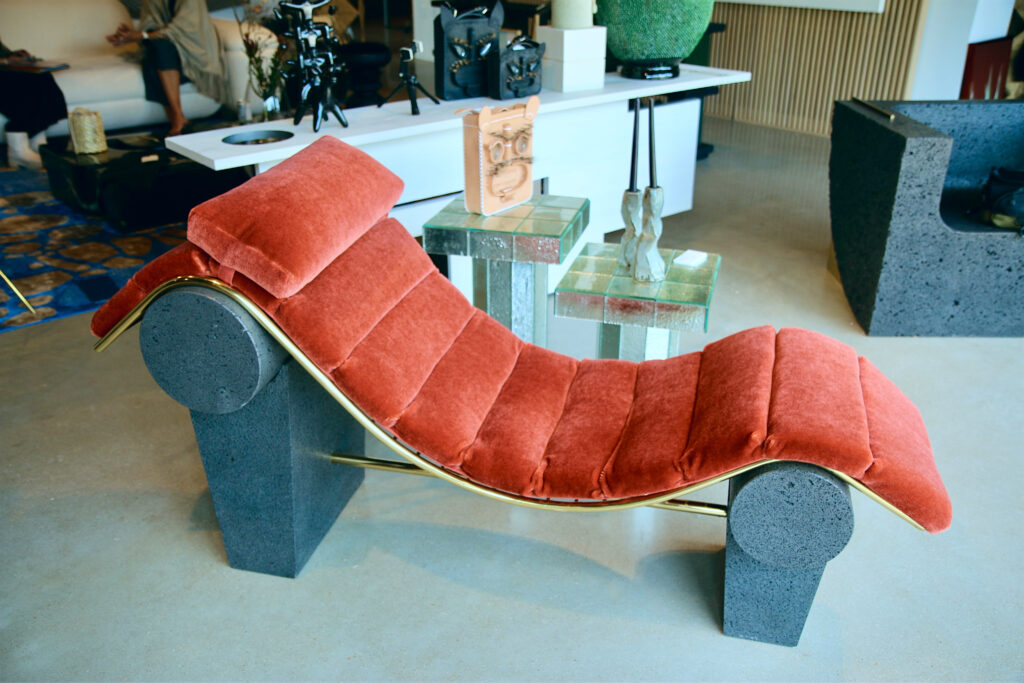
Luna Chaise Lounge by Lorena Vieyra | Base: Volcanic Stone | Structure: Brass | Cushion: Mauve Mohair Upholstery
At what point did you transition to furniture design as an extension of your work?
Residential architecture was the foundation of my career, and from the very beginning, furniture and interior design were natural extensions of that work. it’s not something that can come later or, for that matter, be done separately. I have always viewed architecture, interiors, and furniture design as part of a single creative process—each element informing and shaping the other.
While I have been designing furniture throughout my career, it is only in recent years that I have embraced it as a more focused and independent aspect of my professional practice.
OMET
What inspired you to launch the OMET brand, and what is its essence?
I believe that, at the end of the day, all architects are also designers, and that’s something that also guided me when I launched the OMET brand. Inviting architects to design pieces feels like a very natural part of our work as architects. OMET curates the top designers across Latin America whose personal stories shape each of our collectible objects.
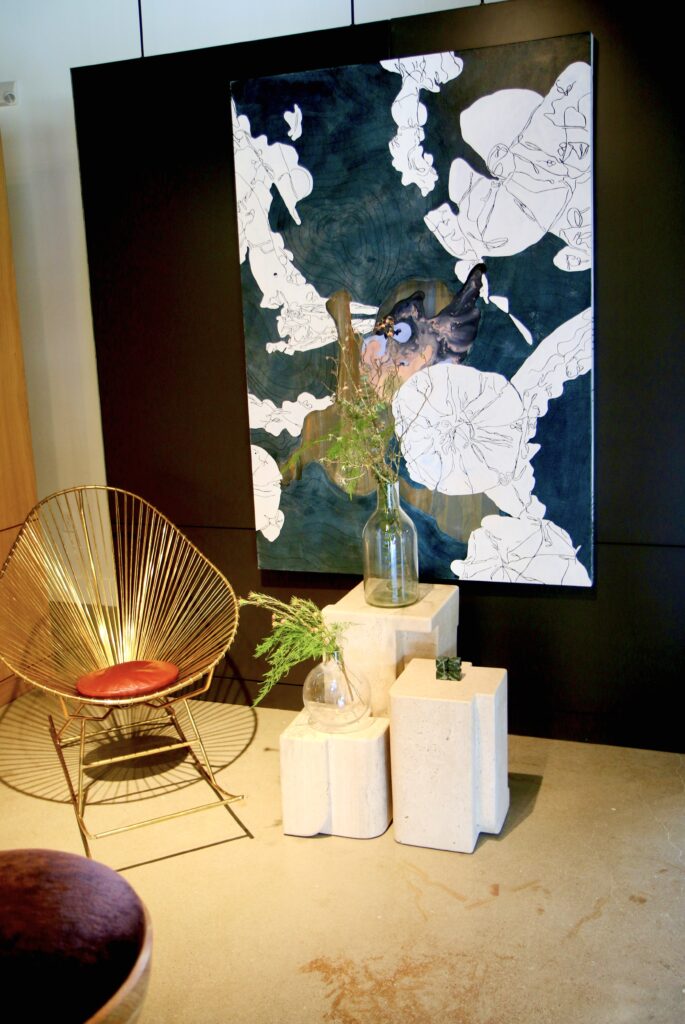
The gallery is more than a showroom—it is a cultural destination where stories, materials, and heritage converge in a dialogue that transcends borders. And we want to convey all of this in our showroom here in Austin, Texas.
CONTEMPORARY LATIN AMERICAN DESIGN
Last year, MoMA in New York showcased a landmark exhibition of Design in Latin America 1940-1980 curated by Elena Mallet. Many of the pieces, including the work of pioneering designers such as Clara Porset, continue to feel remarkably relevant and contemporary today. From your perspective, what defines Modern Mexican Design?
I think it has this timeless quality. So, what I look for are pieces that speak to you, that tell a story, and there’s this whole “storytelling” aspect to the piece that goes beyond trends—it’s not about fashion trends.
I’m really drawn to the “aging” of the piece, in the sense of how, over time, the piece gains more authenticity, and this has to do with the durability of the materials and techniques that go into it.
At OMET we look for pieces that have a narrative that speaks to the material they’re made of, the technique used to make them, the inspiration behind the piece from the designer who created it, and why they created it—what its function is. I believe the sum of these elements is what gives these pieces that timelessness and contemporaneity.
NATURAL MATERIALS
A distinctive element of your collection is the thoughtful use of natural and handcrafted materials—from volcanic stone and marble to wood and textiles. How do these materials help you tell a story through design, and what role do they play in shaping the identity of your work?
We start from the premise that these are materials we have available, so part of the intention isn’t just to draw inspiration from the material, but to understand what we have at our disposal.
And obviously, I believe there isn’t a single piece of marble that isn’t beautiful, so initially we start with materials we have. As you know, in Mexico we’re surrounded by volcanoes and we have a lot of volcanic rock, so at the end of the day it’s something that creates a sort of identity, so to speak, and it’s a beautiful material!
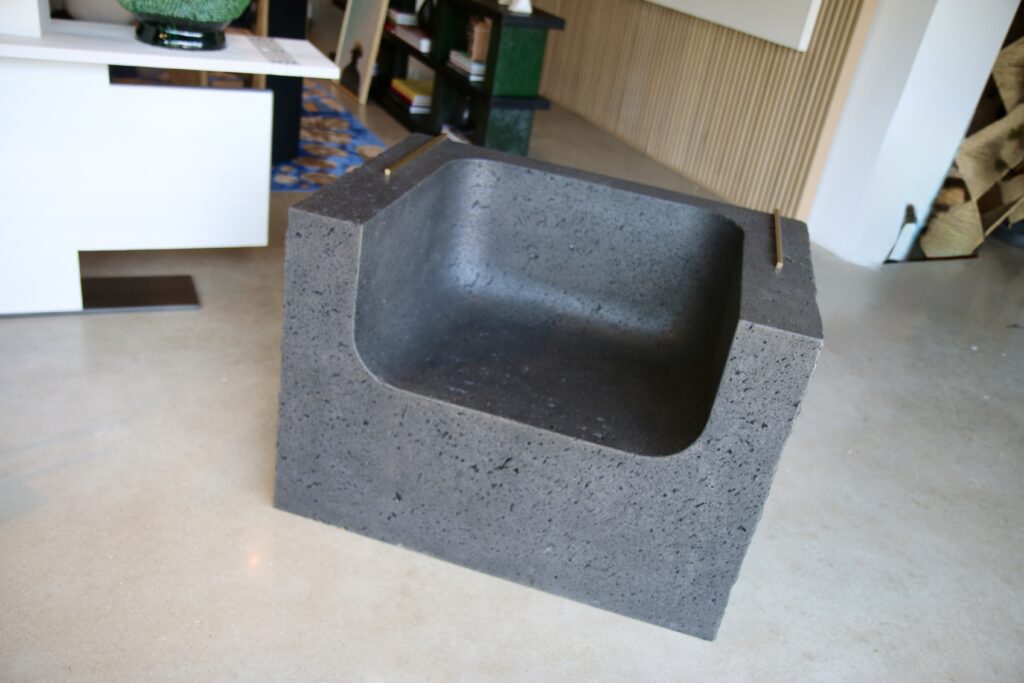
I think that having its own imperfections and porosity makes it very attractive; it’s a malleable material. It’s a material we have. Of course, that doesn’t rule out the possibility of using other materials from elsewhere that aren’t local, but that’s initially the source of inspiration: what’s available in nature—exactly.
EARLY ITALIAN DESIGN PERSPECTIVE
Early in your career, you worked in Milan, Italy. How did that change your perspective, and how did it influence your career later on?
I think it was a very important experience, and I understand it better in hindsight—or perhaps when things are happening and you’re moving from one experience to the next, you don’t really realize the impact it has until years later.
I worked with Alessandro Mendini at Atelier Mendini. At the time, Mendini was better known as a designer than for his work in architecture, but it was still a major firm. His brother Francesco was in charge of the architecture side, which is where I actually worked as an architect.
In the design department, I discovered a world I didn’t know existed—I came to understand, experience, and recognize this world of design that was truly unknown in Mexico—so yes, I feel like that opened up a whole new perspective for me regarding the world of design.
WOMEN IN DESIGN
As a Mexican woman leading an internationally recognized design practice, what challenges have you encountered throughout your career, and how have those experiences shaped your approach to leadership and design?
I have certainly faced challenges throughout my career, but most challenges are centered on staying true to my vision and insisting on doing things the way I believe they should be done. For me, the greatest challenge has often been maintaining that integrity and commitment to quality.
As a woman, I feel that sometimes there is an added expectation that you must continually prove yourself—that you are capable, qualified, and deserving of a seat at the table. I have been fortunate to find success in my work, but I do believe women are often required to take that extra step and demonstrate their abilities more consistently than their male counterparts.
That said, this is an incredibly exciting moment for architecture in Mexico. Some of the most influential and respected voices in the field today are women, including Tatiana Bilbao, Fernanda Canales, and Frida Escobedo. Their work reflects the extraordinary talent, innovation, and leadership that women are bringing to architecture and design.
It is inspiring to see how these women are shaping the future of the profession, and I believe it is a particularly remarkable time to be an architect in Mexico.
AUSTIN DESIGN SCENE
Through OMET, you are introducing Austin audiences to some of the most exciting contemporary designers from Mexico and Latin America. How do you envision Mexican design contributing to and enriching Austin’s design scene in the years ahead?
Austin has emerged as an important destination for Mexican and Latin American design, and I believe the community has embraced it with genuine enthusiasm.
One of the main reasons I chose to open OMET in Austin rather than Houston, Dallas, or another major city was because I found a creative community that is exceptionally open, curious, and eager to discover original ideas and new perspectives.
I feel that there is also a natural cultural connection between Austin and Mexico that makes this dialogue especially meaningful. People here appreciate authenticity, craftsmanship, and thoughtful design, creating an environment where contemporary Mexican design can truly thrive.
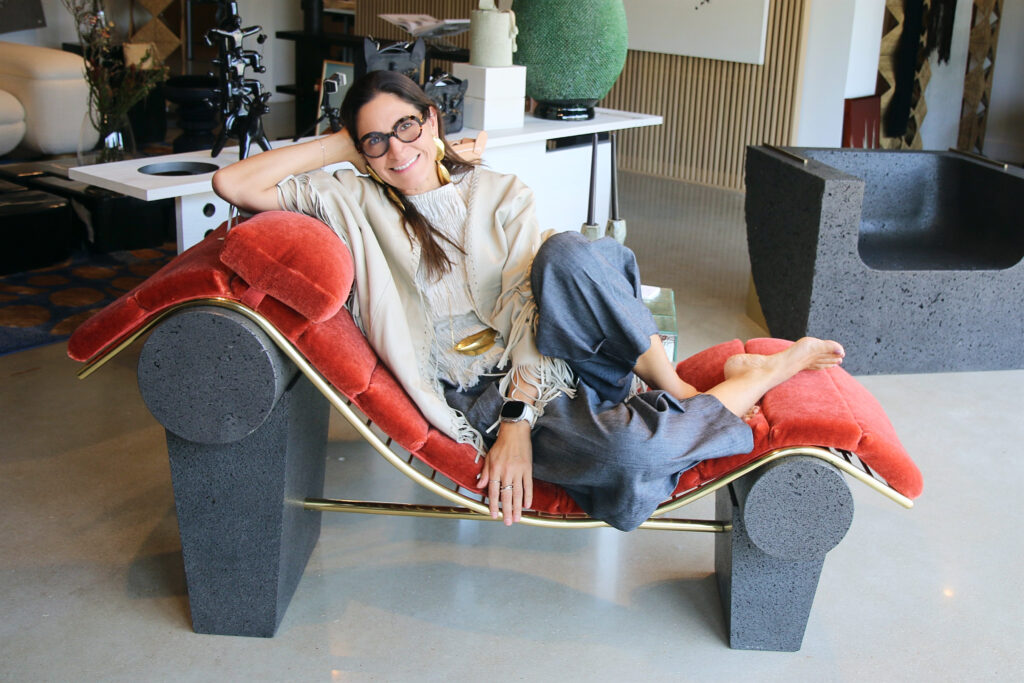
From the beginning, the mission of OMET has been to present Mexican design at the highest level—alongside the finest galleries and design institutions anywhere in the world. Our goal is to demonstrate that great design transcends geography, celebrating creativity, innovation, and craftsmanship through a vision of design without borders.
Follow OMET AT @ometdesign and LORENA VIEYRA AT @vieyralorena. @vieyrastudio

By: Lilia Rodriguez-Davis
Editor in Chief of La Revista Mujer, Austin, Texas